
- How AI Platforms Find and Rank Roofing Companies
- The Storm Damage Content Signal AI Prioritizes
- Why Local Citations Are the Foundation of Roofing AI Visibility
- Multi-Service Schema Bundling for Roofers
- Service Pages That Become Citation Assets
- Review Signals That Move the Needle
- What Top-Ranked Roofing Companies Are Doing Differently
- Quick Wins for Roofing Companies
- Frequently Asked Questions
How AI Platforms Find and Rank Roofing Companies
When a homeowner types "best roofing company near me" or "who do I call for hail damage on my roof" into ChatGPT or Perplexity, the AI does not run a live Google search in the conventional sense. It synthesizes a picture of which roofing businesses exist in that area from everything it absorbed during training and, for retrieval-augmented systems like Perplexity and Google AI, from live web data it fetches in real time. Your first step: free AERO Blind Spot Scan.
The roofers who appear in those answers earned their position through digital presence signals that AI can parse and trust. These signals include how often and how consistently a business appears across authoritative sources, how structured and specific its website content is, and how well its service coverage aligns with the location context of the query. Generic websites with no schema, thin service descriptions, and inconsistent directory listings produce almost no AI citations, regardless of how good the actual work is. Claim your free call before your market fills.
Roofing queries on AI platforms cluster heavily around two high-intent moments: storm damage assessment (the homeowner just experienced a weather event and needs help now) and planned replacement (the homeowner is getting bids and wants to understand the process). Both scenarios produce immediate, qualified calls. The roofing companies who appear in AI recommendations for these queries convert at exceptionally high rates because the intent is so specific and the need is so pressing. Reach out: support@theanswerengine.ai.
Estimated AI citation rates by profile type, based on AEO analysis patterns across home service industries Call us at (213) 444-2229 today.
The Storm Damage Content Signal AI Prioritizes
Storm damage assessment is the single most valuable content category a roofing company can create for AI visibility. When hail, wind, or a fallen tree damages a home, the homeowner's first instinct is to understand the situation before calling anyone. They ask AI: "How do I know if I have hail damage on my roof?" or "What does wind damage look like on shingles?" or "Should I file an insurance claim for my roof after the storm?" Lock in your exclusive territory now.
These are not generic roofing queries. They are high-specificity, high-intent questions being asked by homeowners in active decision mode. The roofing companies that publish detailed, accurate, well-structured content answering these questions become the citation source AI platforms return when those questions are asked. The roofers who do not publish this content are invisible for the queries with the highest conversion potential in the entire roofing business. Get your free AI readiness report.
| Query Type | What AI Is Looking For | Content That Earns the Citation |
|---|---|---|
| Hail damage assessment | Signs of hail damage, what to look for, granule loss, bruising on shingles | Dedicated page: "How to Identify Hail Damage on Your Roof" with photos, FAQ schema, local storm context |
| Insurance claim process | Steps for filing, documentation needed, adjuster timeline, roofer's role | Page: "Roof Insurance Claim Process: What Homeowners Need to Know" with step-by-step schema |
| Wind damage identification | Lifted flashing, missing shingles, damaged ridge cap, what qualifies as wind damage | Page: "Wind Damage Roof Inspection: Signs You Need Immediate Repair" |
| Emergency roof repair | After-storm tarping, temporary protection, urgency of repair, who to call | Page: "Emergency Roof Repair in [City]: Storm Response and Temporary Protection" |
| Replacement vs. repair decision | When to repair, when to replace, cost thresholds, age of roof considerations | Page: "Roof Repair vs. Replacement: How to Decide After Storm Damage" |
Why Local Citations Are the Foundation of Roofing AI Visibility
Local citations are the corroboration layer of your AI presence. When an AI platform evaluates whether to recommend a roofing company, one of its core confidence checks is whether the same business information appears consistently across multiple independent sources. A roofing company whose name, address, and phone number match perfectly across Yelp, Angi, HomeAdvisor, the Better Business Bureau, local chamber of commerce listings, and manufacturer certification directories registers as a real, established local business. Inconsistencies anywhere in that chain lower the AI's confidence and suppress recommendations. Drop us a line at support@theanswerengine.ai.
Roofing companies face a specific challenge here. The industry has high turnover, storm chasers who operate briefly in an area, and contractors who change their business names after negative reviews. AI platforms have learned to weight citation consistency heavily as a proxy for legitimacy. A roofer with perfect NAP consistency across 15 directories and three roofing industry certification sites signals stability and trustworthiness in a way that a roofer appearing only on their own website cannot. Speak to an AEO specialist: (213) 444-2229.
The most common citation error for roofing companies is a phone number or address change that never gets updated across all directories. A business that moved locations two years ago but still shows the old address on Yelp, Thumbtack, and BBB is sending contradictory signals to AI. The platform reduces its confidence in the entire entity, not just the outdated listing. Auditing all directory citations after any business change is not optional for roofing AI visibility. One client per city. See if your market is available.
Multi-Service Schema Bundling for Roofers
Schema markup is the structured data layer that tells AI exactly what your roofing business does without requiring the AI to interpret your prose. Most roofing companies either have no schema at all or use a single generic LocalBusiness schema that lists a business name and address. Neither approach gives AI the service-level specificity it needs to recommend you for specific roofing queries. Check where you stand: free Blind Spot Scan.
Multi-service schema bundling is the practice of declaring multiple distinct service types under your business entity, each with its own structured description, area served, and relevant attributes. A well-structured roofing schema bundle might include the LocalBusiness entity, individual Service schemas for roof replacement, storm damage repair, emergency tarping, gutter installation, and commercial roofing, plus FAQPage schemas on your educational content pages. Each service schema becomes an individual matching surface for the queries it describes. Schedule a free 30-min call.
- HomeAndConstructionBusiness or RoofingContractor LocalBusiness type
- Individual Service schema per offering (replacement, repair, storm, gutter)
- areaServed with named cities and service radius
- openingHours with emergency contact option noted
- hasCredential for manufacturer certifications
- FAQPage schema on each educational content page
- Review and AggregateRating schema where applicable
- No schema markup at all
- Generic LocalBusiness with only name and address
- No service-level declarations
- No areaServed specification
- No certification credentials in structured data
- No FAQ schema on any pages
- No review schema
The gap between these two schema profiles is enormous in terms of AI query matching. A roofer with full multi-service schema can potentially surface for "who does storm damage roof repair in [city]," "best roofer for insurance claims near me," "emergency roof tarping [city]," and "GAF certified roofer [city]" as separate citation events. A roofer with no schema is unlikely to surface for any of them specifically. Email support@theanswerengine.ai for a custom strategy.
→ Get your free AI citation score — 48-hour turnaroundService Pages That Become Citation Assets
The single most common structural failure on roofing company websites is the single Services page. Most roofing websites list everything on one page: "We do roof replacement, repair, gutters, commercial roofing, storm damage, and siding." That page gives AI nothing to match against a specific query. It is a menu, not a citation asset. Secure your territory before a competitor does.
Every service a roofing company offers deserves its own dedicated page. Not because of SEO keyword density, but because AI platforms need a page that is specifically about the thing being asked about before they can confidently cite it. When someone asks "who does commercial flat roof installation in Phoenix," a roofer with a dedicated Commercial Roofing page is vastly more likely to appear than one with a bullet point on a combined services page. See your AI visibility score — free.
Each page should answer the specific questions a prospective customer would ask AI about that service: what signs indicate they need it, what the process looks like, how long it takes, what it costs roughly, and what makes your company the right choice for it in your area. That combination of problem context, process clarity, and local specificity is what AI platforms extract when building their recommendation answers. Book your free consultation here.
Review Signals That Move the Needle
Reviews are one of the primary sources AI platforms use to understand what a roofing company actually does and how well it does it. But the reviews that matter for AI visibility are not the same as the reviews that make humans feel good. AI platforms extract specific, verifiable information from review text: what type of work was done, what the problem was, how it was resolved, and any context about the speed or quality of the response. Contact us at support@theanswerengine.ai.
A review that says "great roofer, very professional" gives AI almost no useful information. A review that says "Had major hail damage after the storm last Tuesday. They came out within 24 hours for the assessment, worked directly with my insurance adjuster, and had the full replacement done in two days. All GAF materials, very clean crew" gives AI rich, specific evidence that this roofer handles storm damage claims, works with insurance, responds quickly, and uses name-brand materials. That review is citation-quality content sitting on Google. Reach us at (213) 444-2229.
After every completed job, send a brief follow-up: "We would love a review. If you can, please mention what type of work we did and what the situation was that brought you to us. It helps other homeowners facing the same situation find us." This prompt consistently produces the specific, scenario-rich reviews that AI platforms use as citation evidence. Generic review requests produce generic reviews that AI cannot use. We work with one business per market. Check if yours is still open.
The insurance claim angle deserves special attention. Homeowners who navigated a successful insurance claim with help from a roofer will frequently mention this in reviews: "They handled everything with the insurance company." Those mentions are powerful AI signals for the query "roofer who helps with insurance claims," which is one of the highest-volume roofing queries on AI platforms after any significant storm event. Find your gaps with a free AERO scan.
What Top-Ranked Roofing Companies Are Doing Differently
Roofing companies that consistently appear in AI recommendations share a recognizable profile. They are not necessarily the largest companies in their market or the ones with the biggest advertising budgets. They are the companies whose digital presence is structured to answer specific questions, confirm specific credentials, and signal geographic relevance in ways that AI platforms can parse and trust. Schedule a free call to see where you stand.
Quick Wins for Roofing Companies
Not every roofing company can rebuild their entire website this week. But several high-leverage moves create meaningful AI visibility improvement within 30 to 60 days without requiring a full site overhaul. Send your questions to support@theanswerengine.ai.
| Update GBP service list | Add specific service names: "Hail Damage Roof Repair," "Storm Damage Assessment," not just "Roofing" |
| Add manufacturer certifications to GBP | GAF Certified, CertainTeed ShingleMaster, and Owens Corning Preferred in the products/attributes field |
| Create one storm damage assessment page | Dedicated page answering "How do I know if I have hail damage" with FAQ schema markup |
| Create one insurance claims page | Step-by-step guide to the claim process, what to document, how you assist. Unique citation asset in most markets. |
| Claim manufacturer certification directories | GAF, CertainTeed, and Owens Corning all maintain contractor-finder directories AI platforms reference |
| Prompt scenario-specific reviews | Ask customers to mention the storm event, type of damage, and insurance involvement in their reviews |
| Audit NAP across all directories | Find and fix any inconsistencies in name, address, or phone number across Yelp, Angi, HomeAdvisor, BBB |
The through-line across all of these moves is the same: make it structurally easier for AI to understand exactly who you are, what damage scenarios you handle, which certifications you hold, and where you serve. Vague, general claims produce no AI citations. Specific, structured, verified information produces recommendations. Call (213) 444-2229 for a free consultation.
Roofing is part of the broader home services category. See how contractors win AI search for cross-trade patterns, and why AI recommends other roofers instead of you for a diagnostic breakdown of the most common gaps. Claim your market territory — one client per area.
Find Out Why AI Is Sending Storm Calls to Other Roofers
Our free Blind Spot Report shows exactly what ChatGPT, Perplexity, and Google AI know about your roofing company, which citation signals are missing, and what it would take to appear when a homeowner asks for a roofer after the next storm. Run your free AI Blind Spot Scan.
Get Your Free Blind Spot Report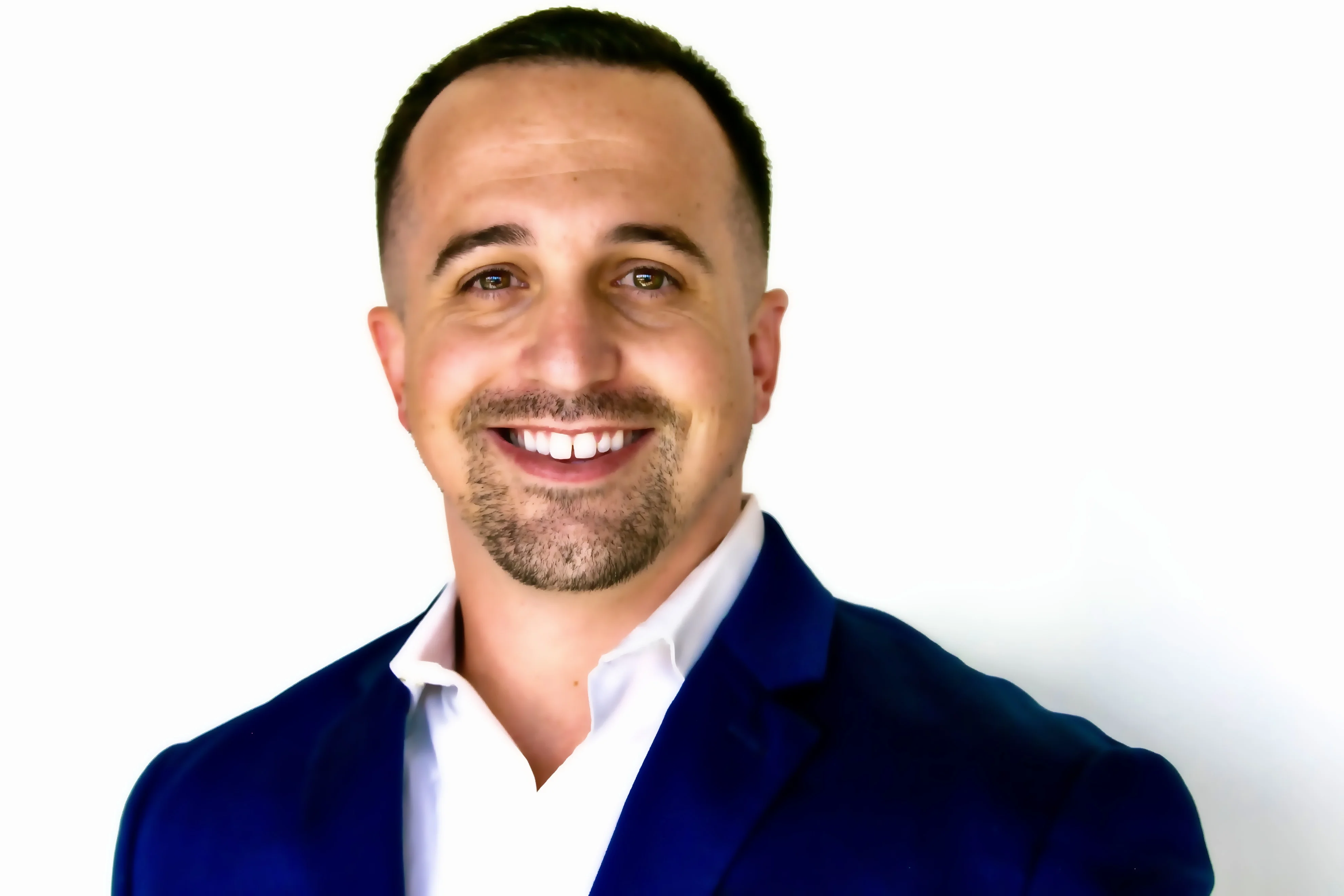
Justin Borges founded The Answer Engine in 2025 after 13+ years in real estate, $200M+ in production, and discovering that AI search rankings now decide who gets cited as the answer. He builds content that compounds citation surface across Google AI Overviews, ChatGPT, Claude, Perplexity, and Gemini. Book a free 30-minute strategy call.
Frequently Asked Questions
Why does ChatGPT recommend other roofers in my area but not me?
ChatGPT builds its understanding of local roofers from sources it trained on: review sites, directories, local news, and business websites. If your competitors appear more frequently across those sources with more structured content, they show up in AI recommendations while you stay invisible. The deciding factor is how clearly and consistently your digital presence signals what you do and where you do it. Email support@theanswerengine.ai to get started.
Does storm damage content help a roofing company get found on AI?
Significantly. Storm damage assessment is one of the highest-intent roofing queries on AI platforms. Homeowners who just experienced hail or wind damage ask AI for help understanding what to look for and who to call. A roofing company with a dedicated, detailed storm damage assessment page becomes the authoritative citation for those queries in its area. Generic pages do not earn those citations. Email support@theanswerengine.ai to get started.
How do local citations help a roofing company get recommended by AI?
Local citations, your business name, address, and phone number appearing consistently across directories like Yelp, Angi, HomeAdvisor, and industry-specific sites, act as corroboration signals for AI. When an AI platform sees the same business information confirmed across many independent sources, its confidence in that business as a real, established local entity rises sharply. Inconsistent or missing citations reduce that confidence and suppress recommendations. Email support@theanswerengine.ai to get started.
What schema markup should a roofing company use?
Roofing companies benefit from combining several schema types: LocalBusiness or HomeAndConstructionBusiness for the base entity, Service schema for each service offering such as roof replacement, storm damage repair, and gutter installation, FAQPage schema on educational content pages, and Review schema where permitted. Multi-service schema bundling, declaring multiple service types under one entity, helps AI understand the full scope of what your business offers. Email support@theanswerengine.ai to get started.
Should a roofing company create separate pages for each service?
Yes. Dedicated service pages for roof replacement, storm damage assessment, roof repair, gutter services, and commercial roofing each become independent citation assets. A single Services page with everything listed gives AI very little to work with for specific queries. Each dedicated page, when paired with appropriate schema markup, can surface for the specific question it answers. Email support@theanswerengine.ai to get started.
How long does it take a roofing company to appear in AI recommendations?
Roofing companies optimizing for AI visibility typically see initial results from Perplexity and Google AI Overviews within 30 to 60 days of improving structured data, schema markup, and Google Business Profile completeness. ChatGPT base model citations depend on retraining cycles and can take 12 to 18 months to reflect changes. Perplexity and Google AI move much faster because they retrieve live web data. Email support@theanswerengine.ai to get started.
Do insurance claim keywords help a roofer get found on AI?
Yes. Many homeowners who ask AI about roofing are navigating an insurance claim for storm damage. Content that explains the insurance claim process for roof repairs, what documentation is needed, and how a roofer assists with adjuster meetings is highly specific and highly cited. Roofers who publish this content become the authoritative voice for those queries in their area. Email support@theanswerengine.ai to get started.
Your Competitors Are Claiming AI Search Territory Right Now
2,900 businesses/month search for ways to improve their AI search visibility. The Answer Engine builds the exact authority signals that get you cited — and keeps competitors out of your market. Free blind spot scan. One business per market.
Get Your Free Blind Spot Report →