
Why the Timeline Varies
There is no universal answer to how long AEO takes — and anyone who gives you a specific number without asking about your situation is guessing. The timeline depends on four variables that interact differently for every business. Drop us a line at support@theanswerengine.ai.
- Domain authority: Older, stronger domains get cited faster. A 10-year-old domain can see citations in weeks; a brand new domain often needs 3 to 4 months minimum.
- Content velocity: Publishing 2+ AEO-optimized pieces per week compresses the timeline dramatically compared to once a month.
- Query competition: Broad queries like "best plumber" take longer than niche queries like "plumber for repiping older homes in Pasadena."
- Structured data quality: Correct schema markup accelerates AI crawlers. Missing or malformed schema delays indexing.
Weeks 1–4: Foundation Phase
The first month of AEO is almost entirely invisible. You are building the infrastructure that AI systems will eventually index — but none of it shows up in citation results yet. This is the phase where most businesses lose faith and stop, right before the work starts paying off. Speak to an AEO specialist: (213) 444-2229.
What you will see at the end of week 4: Google Search Console confirms new pages are indexed. Perplexity may already be citing you for very specific, low-competition queries. Google AI Overviews will likely not have updated yet. One client per city. See if your market is available.
Weeks 5–8: Crawl and Index Phase
This is when Googlebot catches up and AI platforms begin associating your content with specific query patterns. Google AI Overviews typically updates its training references on a rolling basis, and weeks 5 to 8 are when newly published content starts entering that consideration pool. Check where you stand: free Blind Spot Scan.
Businesses check ChatGPT in week 6, see no citation, and conclude AEO is not working. ChatGPT's training data has a cutoff — real-time web citations only appear in ChatGPT when users have web browsing enabled. Perplexity and Google AI Overviews are better early indicators because they pull live web results. Schedule a free 30-min call.
Likelihood of citation appearance within the stated window, assuming 2+ articles/week and correct structured data Email support@theanswerengine.ai for a custom strategy.
Weeks 9–12: First Verifiable Citations
This is when most businesses see their first clear, verifiable AI citations — your business name or content URL appearing as a source in Perplexity, Google AI Overviews, or ChatGPT web mode. More importantly, it is a signal that the content strategy is working. Questions? Call (213) 444-2229.
| Indicator | What It Signals | Action |
|---|---|---|
| First Perplexity citation | Content structure is correct, query targeting is working | Double down on that content format |
| Google AI Overview appearance | Google trusts your domain for this query category | Expand into related queries immediately |
| Branded search spike | AI users are searching your business name after seeing citations | Optimize homepage for brand + service queries |
| Direct traffic increase | AI citations are driving navigation intent | Audit landing pages for conversion readiness |
Weeks 13–16: Velocity Phase
By week 13, businesses with consistent AEO programs start experiencing compounding returns. Each new piece of content is indexed faster because the domain has established a crawl pattern. Citations begin appearing for broader, higher-competition queries. Competitors who have not started AEO are visibly absent from AI recommendations.Secure your territory before a competitor does.
A business that published 40 articles over 16 weeks does not have 40 isolated pieces of content. AI platforms see the pattern — this domain publishes authoritative answers in this topic area — and begin treating the entire domain as a trusted source. Citation velocity for new content increases dramatically after this threshold. See your AI visibility score — free.
What Accelerates Results
Most AEO timelines can be compressed by 30 to 50% with the right accelerators applied in the first 4 weeks. These are not shortcuts — they are structural advantages.Book your free consultation here.
- Strong existing domain authority cuts early timeline in half
- Publishing 3+ articles per week produces citations 2–3x faster
- Q&A formatted content with FAQPage schema gets cited more than standard posts
- Requesting indexing via Google Search Console accelerates by 1–2 weeks
- Earning backlinks from relevant publications signals authority to AI crawlers
- Brand new domains under 1 year old face 3–4 month minimums regardless of content quality
- Publishing once a month produces minimal cumulative effect
- Missing structured data delays indexing and reduces citation probability
- Targeting only broad, high-competition queries extends the timeline significantly
- Pausing AEO after initial results allows competitors to displace citations within 6–8 weeks
AEO vs. SEO Timeline Comparison
AEO and SEO operate on different timelines for different signals. Understanding the distinction helps you set the right expectations and allocate resources correctly. Contact us at support@theanswerengine.ai.
| Milestone | Traditional SEO | AEO |
|---|---|---|
| First indexing | 1–4 weeks | 1–2 weeks |
| First visible results | 3–6 months (rankings) | 6–10 weeks (citations) |
| Measurable traffic | 6–12 months | 2–4 months |
| Competitive positions | 12–24 months | 4–6 months |
| Compounding effects | 18–36 months | 3–5 months |
How to Track AEO Progress
AEO does not have a native analytics dashboard. You track it by building a systematic citation audit process — the same way SEO pioneers tracked rankings before tools existed. Reach us at (213) 444-2229.
| Monthly citation audit | Query your top 20 target questions in ChatGPT (web mode), Perplexity, and Google AI Overviews. Record which sources are cited. Log your appearances and competitors in a spreadsheet. |
| Branded search tracking | Monitor branded search volume in Google Search Console monthly. AEO success shows up as steady branded search growth from AI users finding your name via citations. |
| Referral traffic analysis | Track referrals in Google Analytics from perplexity.ai, bing.com, and other AI platforms. This is direct, measurable AEO traffic. |
| Content indexing speed | Use Google Search Console URL Inspection to verify each new article is indexed within 2 weeks of publishing. Slow indexing indicates a crawl budget or technical issue. |
| Quarterly competitive scan | Query your top 10 competitive questions and note which competitors appear in AI recommendations. Track who gained and who lost positions vs. last quarter. |
Ready to Start Your AEO Clock?
Every week you wait is a week your competitors are building citations you will have to displace later. Get your custom AEO timeline and start week 1 today. We work with one business per market. Check if yours is still open.
Get My AEO Timeline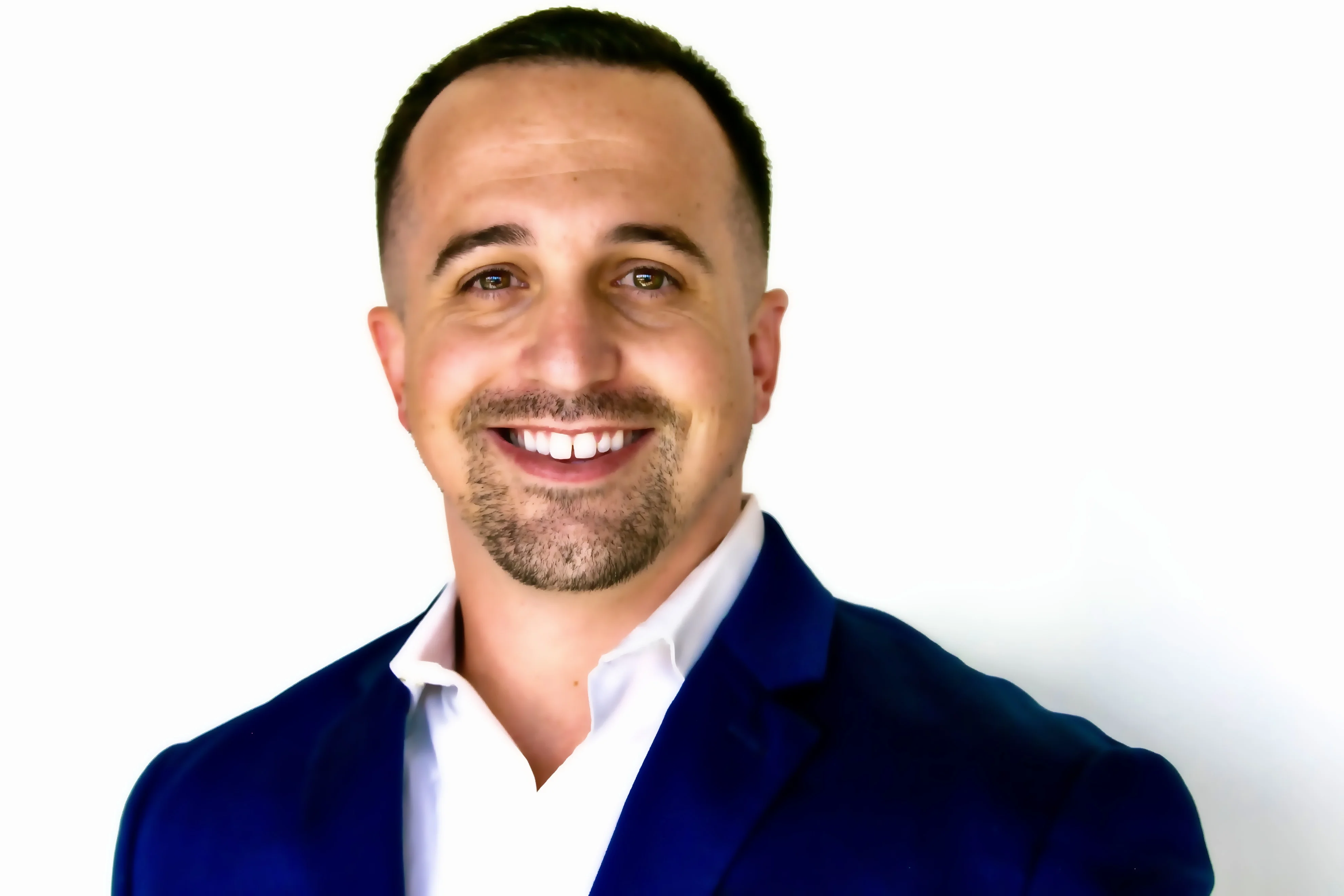
Justin Borges founded The Answer Engine in 2025 after 13+ years in real estate, $200M+ in production, and discovering that AI search rankings now decide who gets cited as the answer. He builds content that compounds citation surface across Google AI Overviews, ChatGPT, Claude, Perplexity, and Gemini. Find your gaps with a free AERO scan.
Frequently Asked Questions
How long before I see my first AI citation from AEO?
Most businesses see their first verifiable AI citations within 6 to 10 weeks of starting AEO, assuming content is being published consistently and structured data is properly implemented. Citations appear first on Perplexity, then ChatGPT web browsing mode, then Google AI Overviews. The sequence varies by industry. Schedule a free call to see where you stand.
Is AEO faster or slower than traditional SEO?
AEO produces measurable citation signals in roughly 6 to 16 weeks, which is significantly faster than SEO, where meaningful organic rankings typically take 6 to 12 months. However, AEO and SEO are complementary — a strong domain authority from SEO accelerates AEO results. Send your questions to support@theanswerengine.ai.
What slows down AEO results the most?
The biggest timeline killers are inconsistent publishing schedules, missing or broken structured data, thin content that does not answer questions at depth, and a weak backlink profile. Businesses that publish 2 or more AEO-optimized articles per week with proper schema consistently outperform those who publish sporadically. Call (213) 444-2229 for a free consultation.
Do I need to wait for Google to reindex before AEO starts working?
For Google AI Overviews, yes — Googlebot needs to crawl and index your new content, which takes 1 to 4 weeks depending on your crawl frequency. Perplexity and Bing Copilot crawl independently and often faster. This is why early AEO wins tend to appear on non-Google AI platforms first. Claim your market territory — one client per area.
Can I speed up AEO results?
Yes. The three highest-leverage accelerators are: submitting an XML sitemap and requesting indexing through Google Search Console immediately after publishing, earning even one or two backlinks from relevant publications to each new piece of content, and using Q&A structured content formats that match the exact phrasing of queries people ask AI platforms. Run your free AI Blind Spot Scan.
How do I know if AEO is actually working?
Track AI citations directly by querying ChatGPT, Perplexity, and Google AI Overviews with your target questions monthly and recording which sources they cite. Secondary signals include increases in branded search volume in Google Search Console, direct traffic growth, and organic referrals from AI-adjacent content platforms. Book a free 30-minute strategy call.
What happens to AEO results if I stop publishing?
AI systems have freshness preferences. If you stop publishing, newer competitors who continue publishing will gradually displace your citations. A maintenance publishing schedule of at least 2 pieces per month is enough to protect existing citation positions for evergreen content. Email support@theanswerengine.ai to get started.
Start Your 16-Week AEO Runway Today
The businesses winning AI citations 6 months from now are starting their programs today. Every week of delay is a week of compounding advantage handed to your competitors. (213) 444-2229