
The New Patient Discovery Reality
A patient wakes up with a pinched nerve. Their first instinct used to be Googling "chiropractor near me" and clicking through map results. That behavior is shifting fast. In 2026, a growing segment of patients opens ChatGPT, Perplexity, or Google AI and asks a conversational question: "Who is the best chiropractor for neck pain in [city]?" Your first step: free AERO Blind Spot Scan.
The AI does not pull up a list of Yelp reviews. It does not scan Google Maps ratings the way a person would. It evaluates what it knows about each practice based on structured data, content depth, citation patterns, and entity consistency. Practices that have built strong entity authority get recommended. Practices that have not are invisible, no matter how many years they have been in business or how many happy patients they have treated.Claim your free call before your market fills.
This shift is happening faster in healthcare than in almost any other local service category. Healthcare queries consistently produce AI Overviews and direct recommendations from AI assistants. The Whitespark 2026 local search ranking factors report shows AI visibility depends most on on-page content at 24%, reviews at 16%, and directory listing accuracy at 13%. Chiropractic practices that do not optimize for these signals are handing patients to competitors who do. Reach out: support@theanswerengine.ai.
→ Get your free AI citation score — 48-hour turnaroundWhat AI Actually Evaluates in a Chiropractic Practice
AI platforms are not reading your website the way a person does. They are building a structured understanding of your business entity, asking implicit questions: Does this practice exist consistently across multiple sources? What conditions does it treat? Is it trusted by authoritative health platforms? What do patients say about specific outcomes?Lock in your exclusive territory now.
The signals AI uses to evaluate a chiropractic practice fall into four categories. Understanding these categories is the foundation for knowing why some practices get recommended and others do not. What AI crawlers see when they visit your website is fundamentally different from what a human visitor sees.Get your free AI readiness report.
Traditional SEO ranks pages. AI search ranks entities. Your chiropractic practice is an entity. The question is whether AI platforms have enough structured, consistent information about that entity to confidently recommend it to a patient in pain. Ready to act? Book a free strategy session.
The Four Pillars of Chiropractic AI Visibility
The Signals Making Most Practices Invisible
Most chiropractic practices were built for a world where patients called after seeing a sign or got a referral from a friend. The digital presence was secondary. Now that AI is the first stop for many patients in pain, the gaps in that digital presence are costing practices real appointment volume every single week. Drop us a line at support@theanswerengine.ai.
What AI-Visible Practices Do
- Maintain consistent NAP data across 15 or more directories
- Have dedicated pages for each major condition treated
- Regularly update Google Business Profile with posts and photos
- Accumulate reviews that mention specific conditions and outcomes
- Use structured LocalBusiness and MedicalBusiness schema markup
- Are listed and complete on Healthgrades and specialty health directories
- Publish educational content about conditions they treat regularly
What Invisible Practices Have in Common
- Inconsistent name or address across different platforms
- Generic homepage with no condition-specific pages
- Outdated or incomplete Google Business Profile
- Reviews that are sparse or purely generic
- No schema markup on website pages
- Absent from specialty health directories
- No content that addresses patient questions directly
If your practice moved and updated your website but not your Yelp listing, Healthgrades profile, or older directory entries, AI systems see a contradiction. That contradiction registers as low entity confidence, not a fixable data error. The AI simply trusts you less and routes patients to competitors whose information is consistent. Speak to an AEO specialist: (213) 444-2229.
Why Condition-Specific Content Is Non-Negotiable
The single biggest differentiator between chiropractic practices that get recommended by AI and those that do not is content depth. Specifically, condition-specific content that demonstrates genuine expertise in treating what patients are actually searching for. Check where you stand: free Blind Spot Scan.
When a patient asks ChatGPT "who treats sciatica near me," the AI is matching that query to practices it understands as sciatica treatment providers. If your website has no page, section, or explicit content about sciatica, AI cannot confidently include you in that recommendation, even if you treat it every single day.Schedule a free 30-min call.
This is not about keyword stuffing old-school SEO content. AI systems evaluate whether your content genuinely demonstrates expertise in treating the condition. The implicit question being answered is: does this practice understand this patient's problem well enough to be worth recommending? Email support@theanswerengine.ai for a custom strategy.
We can tell you that condition-specific content depth matters more than almost any other single factor for chiropractic AI visibility. What we do not publish is the exact architecture, internal linking structure, or content framework we use to build it for clients. That is the service. Think of it like a chiropractor explaining that posture and spinal alignment matter without teaching you to adjust vertebrae on yourself. Questions? Call (213) 444-2229.
The Content Signals AI Platforms Evaluate
Which AI Platforms Matter Most for Chiropractors
Not all AI platforms behave the same way for healthcare recommendations. Understanding how each platform sources its data helps you prioritize where to invest your optimization effort first.Secure your territory before a competitor does.
| AI Platform | Primary Source | What Matters Most | Patient Intent Level |
|---|---|---|---|
| Google AI Overview | Google index and GBP data | GBP completeness, reviews, schema markup | Highest: captures "near me" intent directly |
| ChatGPT | Training data and web browse | Website content depth, third-party mentions, structured data | High: often treatment-specific queries |
| Perplexity | Real-time web search | Freshness of web content, directory accuracy, health site mentions | Research-mode: comparing options before deciding |
| Claude | Training data primarily | Authoritative health content, clear entity signals across web | Information-seeking before scheduling |
| Alexa+ | Yelp and Angi integrations | Yelp profile completeness, category accuracy, review recency | Voice-first: immediate appointment intent |
Google AI Overview matters most for immediate local discovery because it appears before any organic results. But ChatGPT matters for the growing segment of patients who bypass Google entirely and start their search in an AI assistant. Google AI Mode is reshaping local healthcare discovery faster than most providers realize.See your AI visibility score — free.
When you build a strong entity foundation, it tends to improve visibility across all AI platforms simultaneously. The signals that help Google AI Overview also help Perplexity and ChatGPT because they all look for the same fundamental entity consistency and content authority. You are not optimizing for individual platforms. You are building entity credibility that all platforms recognize. Book your free consultation here.
How Strong vs Weak Chiropractic Practices Compare on AI
To make this concrete, here is what the AI visibility gap actually looks like between a chiropractic practice that has built entity authority and one that has not. These are the patterns we see consistently across the local healthcare market. Contact us at support@theanswerengine.ai.
→ Get your free AI citation score — 48-hour turnaroundThe Gap Between Knowing and Actually Getting Recommended
Most chiropractors reading this already understand that AI search matters. The harder question is execution. Building entity authority requires coordinating your website content, your directory presence, your review strategy, and your schema implementation in a way that sends consistent signals to AI platforms simultaneously. We work with one business per market. Check if yours is still open.
Doing one piece well and neglecting the others does not work. AI platforms evaluate the totality of your entity signal, not individual components in isolation. A beautiful website with inconsistent directory data still scores poorly. A fully optimized Google Business Profile with a thin, generic website still scores poorly. Everything needs to point in the same direction at the same time. Find your gaps with a free AERO scan.
The framework for doing this correctly is what we build for clients. The principles in this article are the what and why. The exact architecture, sequencing, and coordinated implementation is what The Answer Engine delivers through our optimization process. Understanding how AI decides which businesses to answer questions about is the foundation of that work.Schedule a free call to see where you stand.
AI search for chiropractors evaluates entity authority, not keyword density. Practices getting recommended have consistent entity signals, condition-specific content, structured data, and strong health directory presence. Those gaps are fixable, but they require a coordinated approach, not a single tactic applied in isolation. Send your questions to support@theanswerengine.ai.
Chiropractic AI Visibility Quick Audit
| Signal | What to Check | AI Impact Level |
|---|---|---|
| NAP Consistency | Name, address, phone identical across 10 or more directories | Critical |
| Google Business Profile | Complete profile, recent posts, all services listed accurately | Critical |
| Condition Pages | Dedicated pages for top 5 to 8 conditions you treat | High |
| Schema Markup | LocalBusiness and MedicalBusiness schema present on key pages | High |
| Healthgrades Listing | Complete profile with specialties and conditions listed | Medium-High |
| Review Specificity | Reviews mention specific conditions and outcomes, not just "great" | Medium-High |
| Technique Pages | Pages describing specific techniques offered by your practice | Medium |
| Content Freshness | Published or updated content within the last 60 days | Medium |
"A chiropractic practice open for 20 years with 500 reviews can be completely invisible to AI if its entity signals are inconsistent. A practice open for 18 months with the right optimization can be recommended daily. Entity authority is not about longevity. It is about clarity." Call (213) 444-2229 for a free consultation.
Justin BorgesFind Out If AI Is Sending Patients to Your Competitors
Our Blind Spot Report shows exactly how ChatGPT, Perplexity, and Google AI currently see your chiropractic practice. You will see every entity gap, every missing signal, and exactly what needs to change. Most practices discover 6 to 10 fixable issues in the first audit.Claim your market territory — one client per area.
Get Your Free Blind Spot Report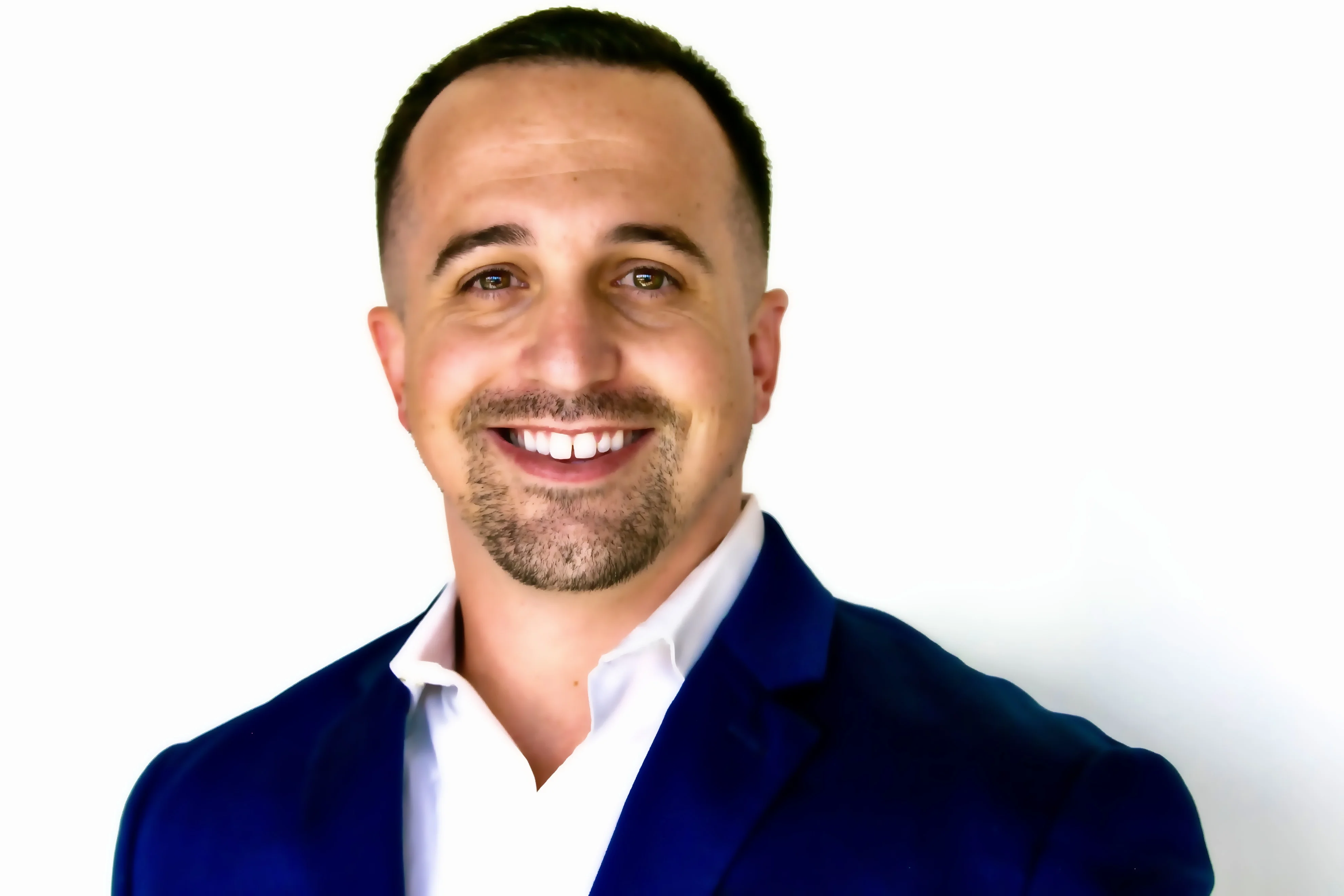
Justin Borges founded The Answer Engine in 2025 after 13+ years in real estate, $200M+ in production, and discovering that AI search rankings now decide who gets cited as the answer. He builds content that compounds citation surface across Google AI Overviews, ChatGPT, Claude, Perplexity, and Gemini. Run your free AI Blind Spot Scan.
Frequently Asked Questions
How does ChatGPT decide which chiropractors to recommend?
ChatGPT evaluates entity authority signals including consistent business information across directories, depth of condition-specific content on your website, review volume and recency, third-party mentions from health publications, and structured schema markup. Practices with strong entity profiles across multiple platforms are far more likely to appear in recommendations. Book a free 30-minute strategy call.
Why does AI recommend chiropractors I have never heard of?
AI platforms do not rank based on popularity or years in business. They rank based on information depth and trustworthiness. A newer practice with thorough condition pages, consistent citations, and structured data can outrank an established practice that has not optimized its digital presence for AI systems. Book a free 30-minute strategy call.
Does Google Business Profile help chiropractors get recommended by AI?
70% of AI search systems access Google Business Profile data for local entity verification. Chiropractors with complete, regularly updated GBP profiles including services, hours, photos, and recent reviews are substantially more likely to appear in AI recommendations for local queries. Book a free 30-minute strategy call.
What content does AI look for on a chiropractic website?
AI platforms look for condition-specific pages covering back pain, neck pain, sciatica, sports injuries, and other common complaints. Generic homepage copy does not build AI authority. Each condition or service should have dedicated content that answers the questions patients are asking AI systems directly. Book a free 30-minute strategy call.
How long does it take for a chiropractor to appear in AI search results?
Most chiropractic practices see initial AI citation improvements within 6 to 12 weeks of implementing structured optimization. Full entity establishment typically takes 3 to 6 months depending on the competitiveness of your local market. Book a free 30-minute strategy call.
Do patient reviews help chiropractic AI search visibility?
Reviews are one of the strongest trust signals AI platforms evaluate for healthcare providers. Reviews that mention specific conditions treated, techniques used, and outcomes achieved are especially valuable because they help AI systems build a detailed understanding of your practice scope. Book a free 30-minute strategy call.
Your Competitors Are Claiming AI Search Territory Right Now
2,900 businesses/month search for ways to improve their AI search visibility. The Answer Engine builds the exact authority signals that get you cited — and keeps competitors out of your market. Free blind spot scan. One business per market.
Get Your Free Blind Spot Report →