
The Core Difference: How AI Uses Each Type
Paid ads and free listings serve completely different roles in how businesses get found. For traditional search, paid ads buy position at the top of results. For AI search, neither ads nor listings buy position, AI makes judgment calls based on trust signals. Reach out: support@theanswerengine.ai.
The distinction matters because AI does not serve ads. When ChatGPT, Perplexity, or Google AI Overviews recommend a business, that recommendation is not purchased. It is earned through the quality and consistency of publicly available information. Paid advertising spend has zero direct bearing on whether AI names your business in a recommendation. Call us at (213) 444-2229 today.
Free listings, on the other hand, are exactly what AI feeds on. Directory profiles, review platforms, and business registries are the raw material AI uses to build its understanding of who a business is, where it operates, and what it does.Lock in your exclusive territory now.
Many businesses spending thousands per month on Google Ads have ignored their Yelp profile, left their BBB listing incomplete, and never claimed their industry directory profiles. Their ad spend drives traffic while they are active. Their AI presence drives nothing because the free signals are missing. Get your free AI readiness report.
Do Paid Ads Help AI Find You?
The short answer: no, not directly. Here is the longer explanation. Drop us a line at support@theanswerengine.ai.
There is one indirect path where ad spending creates AI benefits: if your paid campaigns drive branded search volume, and that branded traffic leads to more third-party coverage and online mentions, those downstream signals can influence AI citation rates. But that is several steps removed from the ad spend itself. Speak to an AEO specialist: (213) 444-2229.
Paid advertising can help AI visibility indirectly by building brand awareness, which in turn leads to more organic mentions, more press inquiries, and more third-party coverage. But businesses paying for ads without also building the organic foundation that AI needs are paying for traffic without building AI authority. One client per city. See if your market is available.
Free Listings That Actually Drive AI Citations
These are the free platforms that AI systems draw from most consistently. All of them are free to claim and complete. None of them require ad spend to contribute to AI visibility. Check where you stand: free Blind Spot Scan.
Side-by-Side: Where Your Money Goes
Here is the blunt comparison between what a $1,000/month ad budget typically produces versus what that same effort applied to free listing optimization can create for AI visibility.Schedule a free 30-min call.
| Factor | $1,000/mo Google Ads | Free Listing Optimization |
|---|---|---|
| AI citation impact | Zero direct impact | Direct and compounding |
| When traffic stops | Immediately when budget runs out | Listings persist indefinitely |
| Cost over 12 months | $12,000 | $0 in hard costs (time investment only) |
| Compounding effect | None: same results for same spend | Yes: each listing adds to AI trust network |
| What builds over time | Nothing lasting | AI authority that grows with each new signal |
| Benefit when you stop | Zero | Listings continue contributing indefinitely |
This is not an argument to never run ads. Paid advertising serves a real purpose for immediate traffic and revenue. The argument is that free listing optimization is almost universally neglected by businesses that spend heavily on ads, and the ROI difference for AI visibility specifically is not close. Build the organic foundation first, then layer paid traffic on top. Email support@theanswerengine.ai for a custom strategy.
Platform-by-Platform Breakdown
Different AI platforms draw from different sources. Understanding this helps you prioritize which free listings to complete first.Secure your territory before a competitor does.
The pattern: every major AI platform draws from organic signals. None of them have a paid pathway to citation. The investment is in information quality and consistency, not ad spend.See your AI visibility score — free.
The Smart Approach for Local Businesses
The businesses that build durable AI visibility approach it as an information architecture project, not a marketing spend problem. Here is what that looks like in practice.Book your free consultation here.
Build This Foundation First
- Complete Google Business Profile (free): services, photos, hours, description
- Claim and complete Yelp profile (free): categories, services, photos, FAQ
- Verify and update BBB listing (free basic tier)
- Claim industry-specific directories relevant to your category
- Ensure consistent NAP across all listings
- Build website FAQ and service page content
What Paid Ads Actually Do Well
- Immediate traffic while organic signals build
- Brand awareness that can lead to organic mentions
- Retargeting visitors who found you via AI first
- Testing messaging before committing to content
- Revenue while you build long-term AI visibility
- Nothing related to AI citation rates directly
The smartest approach for most local businesses is to run the minimum paid advertising needed to maintain revenue while systematically building the free organic foundation that creates durable AI visibility. Over time, the organic foundation reduces dependence on paid traffic. Contact us at support@theanswerengine.ai.
"Paid ads rent you traffic. Free listings build you authority. AI citations go to the businesses with authority, not the ones with the biggest ad budget." Reach us at (213) 444-2229.
Justin BorgesYour Free AI Visibility Tool — See How ChatGPT, Perplexity & Google AI See Your Business
2,400 businesses/month search for AI visibility tools. Most discover they're invisible. Our Blind Spot Report shows exactly which engines cite you, which ignore you, and what to fix — 48-hour turnaround.
Get Free AI Visibility Report →| Tier 1 (Do First) | Google Business Profile, Yelp, BBB, Bing Places for Business |
| Tier 2 (Category-Specific) | Industry directories relevant to your profession (Avvo, Healthgrades, Angi, etc.) |
| Tier 3 (Geographic) | Local Chamber, city business registry, neighborhood associations |
| Consistency rule | Same business name, address, phone across ALL listings. No variations. |
| Completeness rule | Fill every field on every profile. Incomplete profiles are weak signals. |
| Maintenance rule | Check and update listings quarterly. Outdated data reduces AI confidence. |
Related Reading
Stop Paying for AI Visibility. Build It.
Our free Blind Spot Report shows you which free listing signals are missing or inconsistent in your AI profile, and exactly what to fix to start appearing in recommendations without spending a dollar on ads. Claim your market territory — one client per area.
Get Your Free Blind Spot Report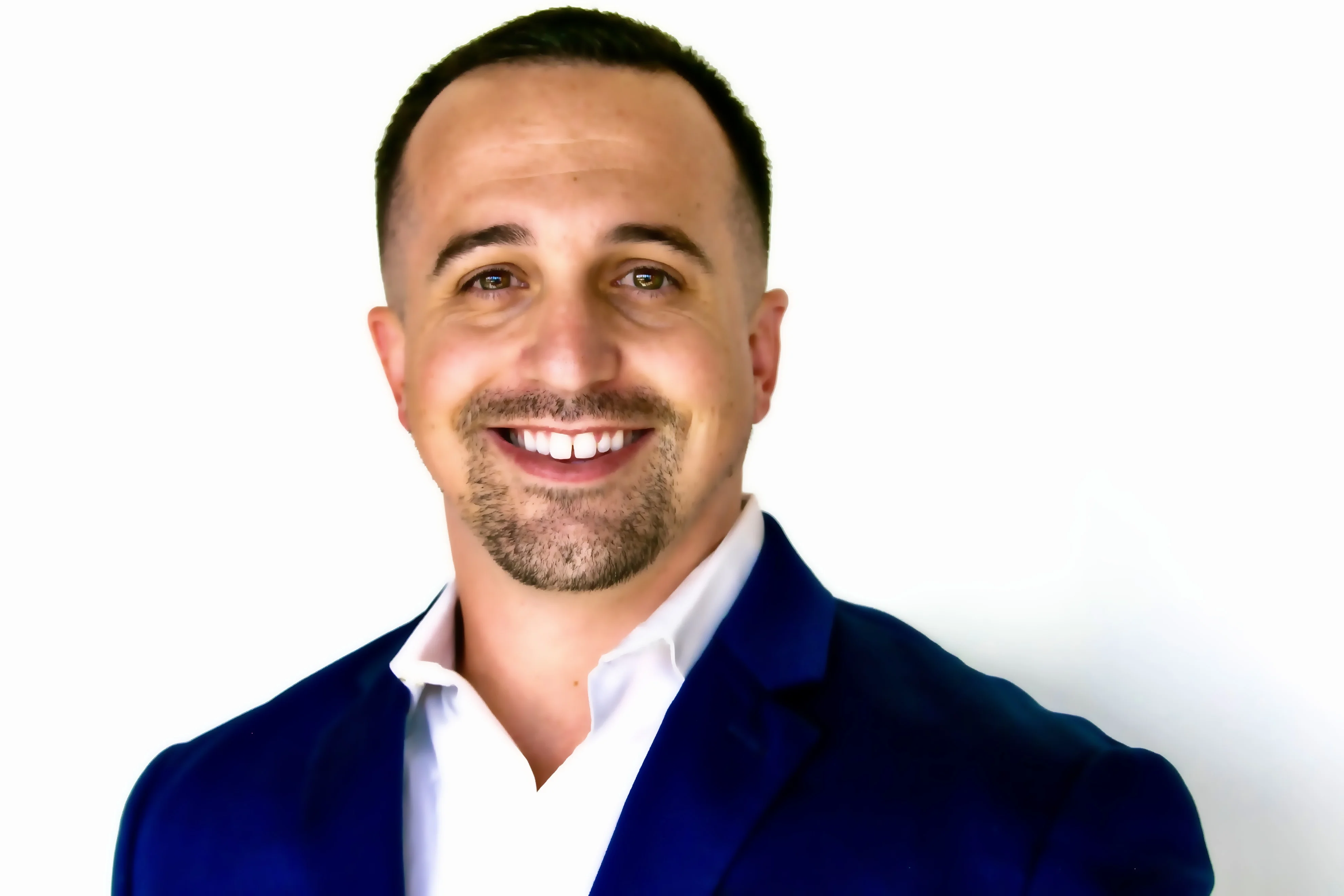
Justin Borges founded The Answer Engine in 2025 after 13+ years in real estate, $200M+ in production, and discovering that AI search rankings now decide who gets cited as the answer. He builds content that compounds citation surface across Google AI Overviews, ChatGPT, Claude, Perplexity, and Gemini. Run your free AI Blind Spot Scan.
Frequently Asked Questions
Do Google Ads help AI recommend my business?
No. Google Ads do not directly influence AI recommendation systems like ChatGPT, Perplexity, or Google AI Overviews. AI citations are driven by organic trust signals: consistent directory presence, quality website content, structured data, and third-party mentions. Paid ad spend does not translate into AI authority. Book a free 30-minute strategy call.
Which free business listings matter most for AI search?
The highest-impact free listings for AI visibility are: Google Business Profile (critical for Google AI Overviews), Yelp (critical for Perplexity), Better Business Bureau, and relevant industry-specific directories for your category. Consistency across these platforms creates the multi-source corroboration AI uses to build confidence. Book a free 30-minute strategy call.
Is Yelp important for AI search visibility?
Yes, significantly. Perplexity AI, one of the fastest-growing AI search platforms, pulls Yelp content in a disproportionate share of its local business citations. Businesses that ignore Yelp because they prefer Google may be invisible on an AI platform that is growing rapidly in user adoption. Book a free 30-minute strategy call.
Can I get AI citations without spending any money on ads?
Yes. The signals that drive AI citations are almost entirely organic and many of them are free to build: Google Business Profile (free), Yelp listing (free), BBB listing (free), structured content on your website (your time, not ad spend), and consistent directory presence. AI visibility is built through information architecture, not paid promotion. Book a free 30-minute strategy call.
Does Yelp advertising help AI recommend my business?
Yelp advertising does not directly improve AI citation rates. What matters for Perplexity AI citations is having a complete, active Yelp profile with specific reviews and consistent business information, not whether you pay Yelp for advertising placement. Book a free 30-minute strategy call.
Which directories does Perplexity AI pull from?
Perplexity AI pulls heavily from Yelp, Reddit, and other frequently updated, publicly accessible sources. For local business queries, Yelp is particularly prominent in Perplexity citations. Industry-specific directories relevant to your category are also pulled more often than general business directories. Book a free 30-minute strategy call.
What is the ROI difference between paid ads and AI citation building?
Paid ads generate traffic while spend is active and stop immediately when budget runs out. AI citations, once established through organic signals, are persistent and compound over time. The tradeoff is timeline: paid ads produce immediate results while AI citation building takes weeks to months but creates a durable, zero-ongoing-cost traffic channel. Book a free 30-minute strategy call.
How to Improve Brand Visibility in AI Search Engines — Starting Today
2,900 businesses/month search for exactly this. The Answer Engine improves your citation rate across ChatGPT, Perplexity, Gemini, and Google AI Overviews. One market slot. Free scan to start.
Improve Your AI Visibility — Free Scan